
logo

Dehydroepiandrosterone sulfate (DHEAS)

  • DHEAS is a steroid hormone, a type of male sex hormone (also known as an androgen) found in both men and women.
  • It is a precursor hormone, meaning your body converts it into other sex hormones, in particular, testosterone and oestrogen.
  • The DHEAS test is used in combination with other hormone tests to see if you might have one of a range of conditions caused by high levels of androgens and more rarely, conditions linked with low levels of androgen.
  • It may be used to look into why young females have masculine physical traits and early puberty in young males.
  • It is also used to check adrenal gland function and help diagnose adrenal gland tumours.

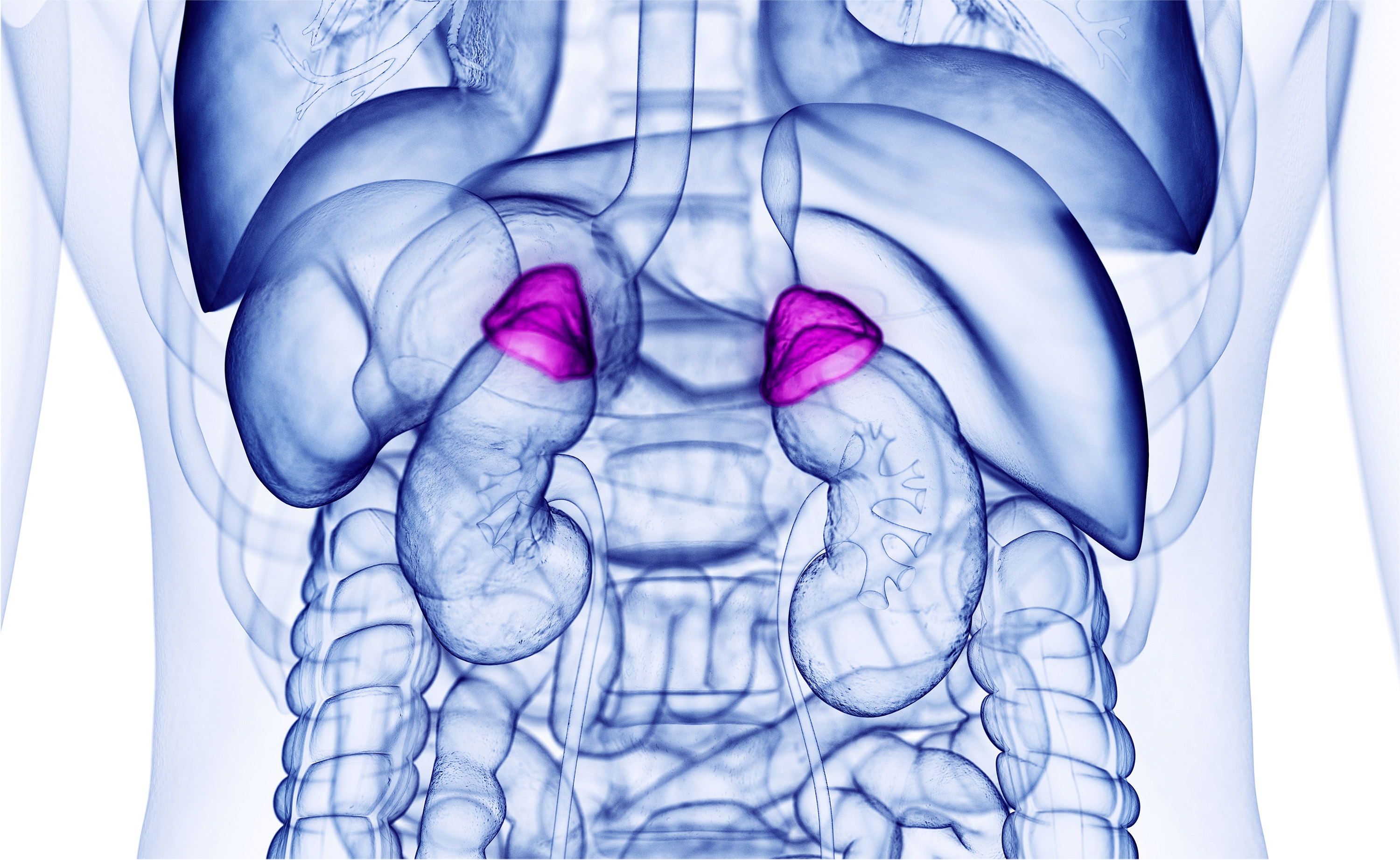
Most DHEAS is made in the adrenal glands, the two small glands that are located just above your kidneys. Smaller amounts are made in the testicles and ovaries.

Because more is made in your adrenal glands, a high DHEAS level is a good way to tell that too much is being made by your adrenal glands.

DHEAS has an important role in making the male sex hormone testosterone and the female sex hormone oestrogen. DHEAS levels decline as we age.

DHEAS is often tested along with cortisol, testosterone, oestrogen and sex hormone-binding globulin (SHBG) to provide a full hormonal profile.

You have a pair of kidneys locate either side of your spine, just below your rib cage. Your adrenal glands sit on top of your kidneys.

Measuring the levels of DHEAS in the blood is used along with along with other tests in investigating a range of disorders.

  • Check adrenal gland function.
  • Help diagnose adrenal tumours or adrenal hyperplasia (enlargement of the adrenal glands, leading to too much hormone being made).
  • Investigate signs of early puberty in boys and girls.
  • Investigate excess body hair growth or irregular periods in women.
  • Decide whether abnormal levels of androgens are coming from the adrenal glands or ovaries/testes.

Adrenal gland disorders

  • DHEAS is made by the adrenal cortex, the outer layer of the adrenal glands. Testing can help investigate adrenal tumours, either benign or cancerous. Tumours can cause high amounts of DHEAS to be made.
  • Congenital adrenal hyperplasia (CAH) is a group of inherited genetic disorders (conditions that you are born with and that are passed to you from your parents) that affect the adrenal glands. In CAH, the adrenal glands lack certain enzymes needed to make hormones properly. DHEAS is not the main test to find out if someone has CAH but if it is high this supports a diagnosis of CAH.
  • Adrenal insufficiency (Addison’s disease) may cause low DHEAS levels.

Polycystic Ovary Syndrome (PCOS)

  • DHEAS can be mildly raised in PCOS, and the test helps tell PCOS from an adrenal disorder.

Androgen-related symptoms

  • In women, high DHEAS can cause too much body hair growth and development of masculine features. Testing helps decide if the adrenal glands or the ovaries are the cause.

Early or late puberty

  • In children, abnormal DHEAS levels can help assess precocious (early) or delayed puberty.

Unexplained infertility or menstrual irregularities

  • Abnormal DHEAS levels can point to adrenal causes affecting ovulation (when a women’s ovary releases an egg).

Sample

Blood


Any preparation?

None

Reading your test report

Your results will be presented along with those of your other tests on the same form. You will see separate columns or lines for each of these tests.

Your DHEAS results may be listed along with other hormone test results.

Reference intervals - comparing your results to the healthy population

Your results will be compared to reference intervals (sometimes called a normal range).

  • Reference intervals are the range of results expected in healthy people.
  • They are used to provide a benchmark for interpreting a patient's test results.
  • When compared against them, your results may be flagged high or low if they sit outside this range.
  • Some reference intervals are harmonised or standardised, which means all labs in Australia use them.
  • Others are not because for these tests, labs are using different instruments and chemical processes to analyse samples.
  • Always compare your lab results to the reference interval provided on the same report.

If your results are flagged as high or low this does not necessarily mean that anything is wrong. It depends on your personal situation.

Reference intervals for DHEAS vary between labs so you will need to go through your results with your doctor.

ResultsWhat is may mean
High DHEAS
  • A tumour of the adrenal gland, which may be benign or cancerous
  • Congenital adrenal hyperplasia
  • PCOS — about 25 per cent to 50 per cent of women with PCOS have high DHEAS
  • Precocious puberty
  • Rarely, an ovarian tumour produces DHEAS
  • You are taking DHEAS supplements
Low DHEAS
  • Adrenal insufficiency or Addison’s disease
  • Adrenal dysfunction
  • Hypopituitarism, a condition that causes low levels of the pituitary hormones that regulate the production of adrenal hormones

Some people naturally have higher DHEAS levels than others, and this is normal. They are simply genetically programmed to produce more or less DHEAS, even when healthy. DHEAS also varies widely due to several factors. Younger people have higher levels than older people. Males have higher levels than females. This should be reflected in the reference intervals on the pathology report.

People taking DHEA supplements will have high blood levels of DHEAS. Certain antidiabetic drugs (such as metformin and troglitazone) may increase DHEAS levels. Some other drugs may cause lower levels of DHEAS. It is important to inform your doctors of which drugs and supplements you are taking.

Some hormone levels vary depending on the time of day, month, or how active or stressed you have been. However, DHEAS levels are kept at a stable level by your body and so your sample can be collected at any time of day.

The choice of tests your doctor makes will be based on your medical history and symptoms. It is important that you tell them everything you think might help.

You play a central role in making sure your test results are accurate. Do everything you can to make sure the information you provide is correct and follow instructions closely.

Talk to your doctor about any medications you are taking. Find out if you need to fast or stop any particular foods or supplements. These may affect your results. Ask:

  • Why does this test need to be done?
  • Do I need to prepare (such as fast or avoid medications) for the sample collection?
  • Will an abnormal result mean I need further tests?
  • How could it change the course of my care?
  • What will happen next, after the test?

Pathology and diagnostic imaging reports can be added to your My Health Record. You and your healthcare provider can now access your results whenever and wherever needed.

Get further trustworthy health information and advice from healthdirect.