
Summary
What is DHEAS?
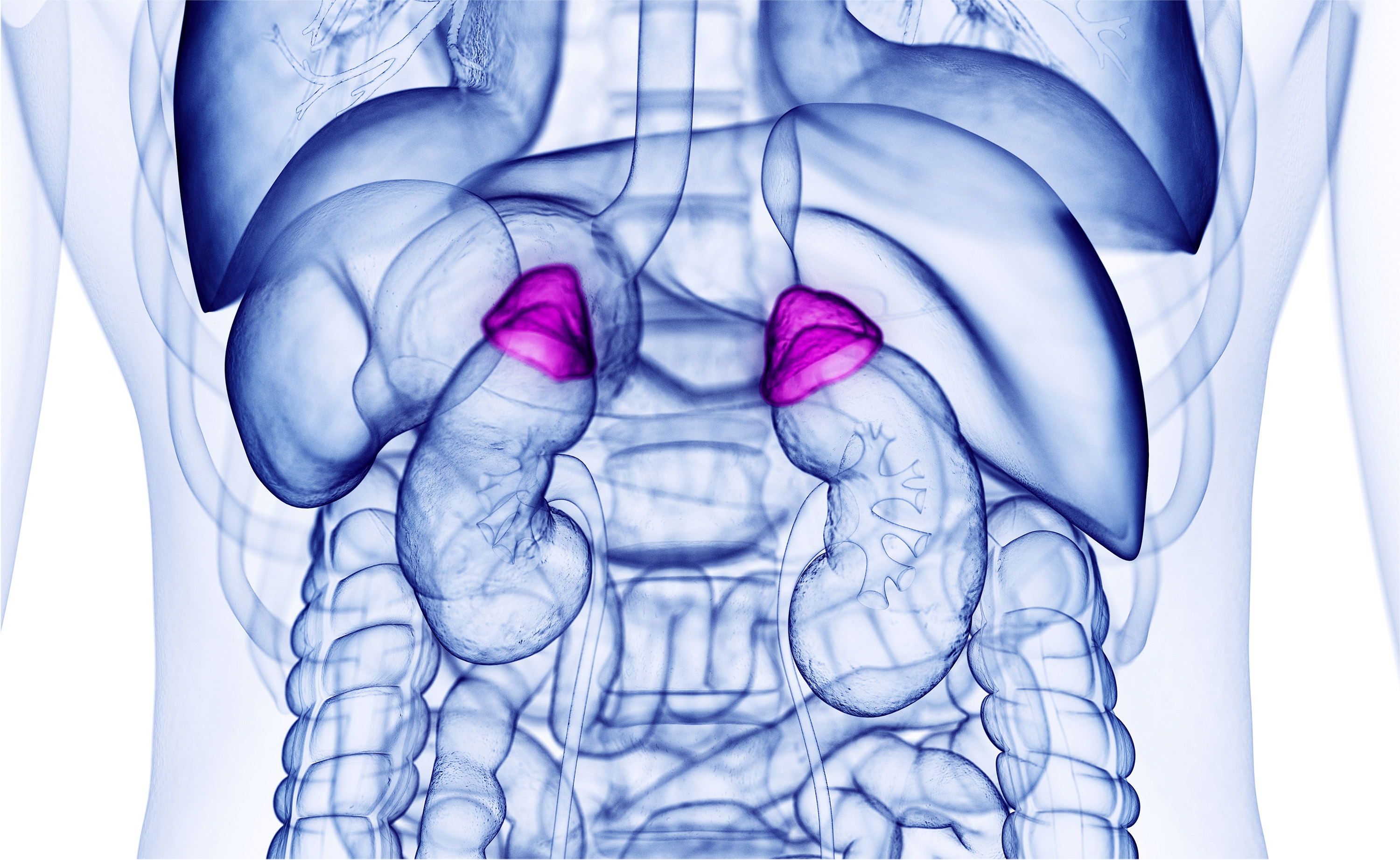
Most DHEAS is made in the adrenal glands, the two small glands that are located just above your kidneys. Smaller amounts are made in the testicles and ovaries.
Because more is made in your adrenal glands, a high DHEAS level is a good way to tell that too much is being made by your adrenal glands.
DHEAS has an important role in making the male sex hormone testosterone and the female sex hormone oestrogen. DHEAS levels decline as we age.
DHEAS is often tested along with cortisol, testosterone, oestrogen and sex hormone-binding globulin (SHBG) to provide a full hormonal profile.

Why get tested?
Measuring the levels of DHEAS in the blood is used along with along with other tests in investigating a range of disorders.
Adrenal gland disorders
Polycystic Ovary Syndrome (PCOS)
Androgen-related symptoms
Early or late puberty
Unexplained infertility or menstrual irregularities
Having the test
Sample
Blood
Any preparation?
None
Your results
Reading your test report
Your results will be presented along with those of your other tests on the same form. You will see separate columns or lines for each of these tests.
Your DHEAS results may be listed along with other hormone test results.
Reference intervals - comparing your results to the healthy population
Your results will be compared to reference intervals (sometimes called a normal range).
If your results are flagged as high or low this does not necessarily mean that anything is wrong. It depends on your personal situation.
Reference intervals for DHEAS vary between labs so you will need to go through your results with your doctor.
| Results | What is may mean |
| High DHEAS |
|
| Low DHEAS |
|
Any more to know?
Some people naturally have higher DHEAS levels than others, and this is normal. They are simply genetically programmed to produce more or less DHEAS, even when healthy. DHEAS also varies widely due to several factors. Younger people have higher levels than older people. Males have higher levels than females. This should be reflected in the reference intervals on the pathology report.
People taking DHEA supplements will have high blood levels of DHEAS. Certain antidiabetic drugs (such as metformin and troglitazone) may increase DHEAS levels. Some other drugs may cause lower levels of DHEAS. It is important to inform your doctors of which drugs and supplements you are taking.
Some hormone levels vary depending on the time of day, month, or how active or stressed you have been. However, DHEAS levels are kept at a stable level by your body and so your sample can be collected at any time of day.
Questions to ask your doctor
The choice of tests your doctor makes will be based on your medical history and symptoms. It is important that you tell them everything you think might help.
You play a central role in making sure your test results are accurate. Do everything you can to make sure the information you provide is correct and follow instructions closely.
Talk to your doctor about any medications you are taking. Find out if you need to fast or stop any particular foods or supplements. These may affect your results. Ask:
More information
Pathology and diagnostic imaging reports can be added to your My Health Record. You and your healthcare provider can now access your results whenever and wherever needed.
Get further trustworthy health information and advice from healthdirect.
What is Pathology Tests Explained?
Pathology Tests Explained (PTEx) is a not-for profit group managed by a consortium of Australasian medical and scientific organisations.
With up-to-date, evidence-based information about pathology tests it is a leading trusted source for consumers.
Information is prepared and reviewed by practising pathologists and scientists and is entirely free of any commercial influence.